










Introduction
Cybercrime is one of the biggest threats to small businesses in the UK. According to the UK Government’s Cyber Security Breaches Survey, over 30% of small businesses experienced a cyber attack in the past year. The good news? Most attacks can be prevented with basic security measures.
This cybersecurity checklist for UK small businesses will help you identify weak spots, improve your defences, and protect your company’s reputation and data.
1. Create a Strong Password Policy
Weak passwords are an open invitation for hackers.
Use at least 12 characters with a mix of letters, numbers, and symbols.
Avoid using the same password across accounts.
Encourage staff to use a password manager such as 1Password or Bitwarden.
Implement multi-factor authentication (MFA) wherever possible.
2. Update Software Regularly
Cybercriminals often exploit outdated software.
Enable automatic updates for Windows, macOS, and applications.
Keep antivirus and anti-malware tools updated.
Regularly check routers, Wi-Fi devices, and printers for firmware updates.
3. Backup Your Data
Backups are your safety net during ransomware attacks or accidental deletions.
Use the 3-2-1 rule: keep three copies of your data, on two types of storage, with one copy off-site or in the cloud.
Test backups regularly to ensure they can be restored.
4. Secure Your Wi-Fi Network
Change default router passwords immediately.
Use strong encryption (WPA3 if supported).
Hide your SSID and create a separate guest network for visitors.
Avoid connecting sensitive systems to public Wi-Fi.
5. Train Employees on Cyber Awareness
Human error is often the weakest link.
Educate staff on spotting phishing emails and fake websites.
Run regular cybersecurity training sessions.
Encourage immediate reporting of suspicious emails or attachments.
6. Use Antivirus and Firewall Protection
Install trusted antivirus software and enable automatic scans.
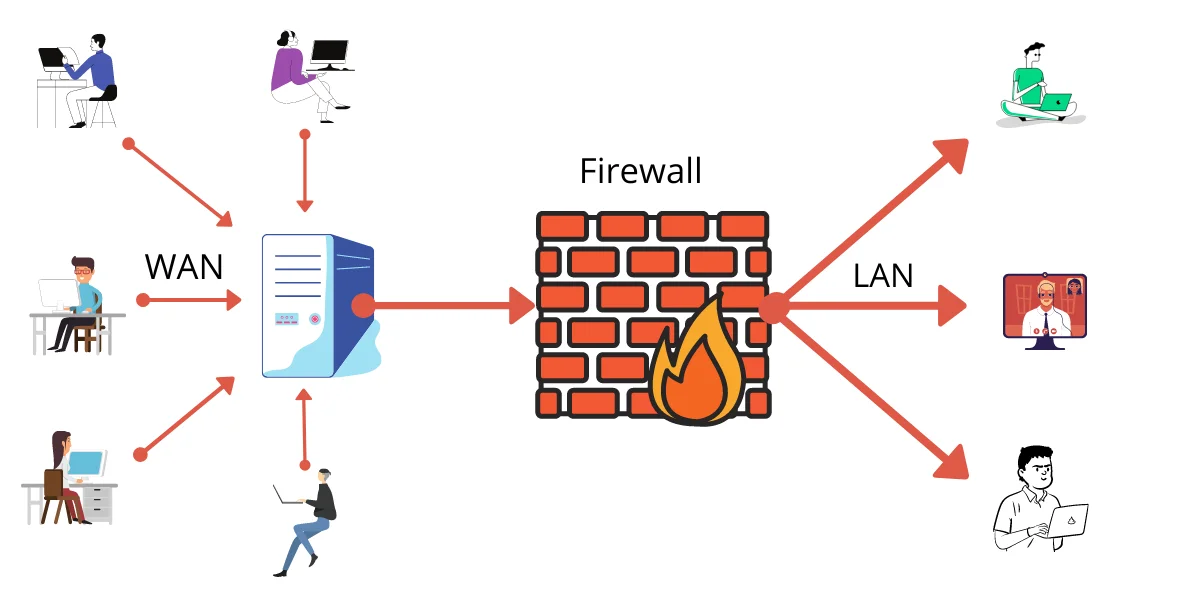
Configure your firewall to block unauthorised access.
For advanced protection, consider a business-grade firewall or managed security service.
7. Control Access to Sensitive Information
Not every employee needs access to everything.
Apply role-based access control (RBAC).
Revoke access immediately when employees leave.
Use encrypted cloud services for file sharing.
8. Secure Mobile Devices
Many employees work remotely or on mobile devices.
Enforce device encryption and screen locks.
Enable remote wipe features for lost or stolen devices.
9. Have an Incident Response Plan
Even with strong defences, breaches can happen.
Define clear steps for identifying and reporting incidents.
Maintain a list of emergency contacts (IT support, legal, insurance).
Review and update your plan every 6–12 months.
10. Stay Compliant with UK Regulations
Follow GDPR and UK Data Protection Act 2018.
Notify the Information Commissioner’s Office (ICO) if a data breach affects personal data.
Consider Cyber Essentials certification — a UK government-backed scheme to show your business takes cybersecurity seriously.
✅ Summary Checklist
| Area | Key Action |
| Passwords | Use strong passwords & MFA |
| Software | Keep systems updated |
| Backup | Follow the 3-2-1 rule |
| Wi-Fi | Use WPA3, change default login |
| Employees | Provide phishing awareness |
| Antivirus | Install and auto-update |
| Access | Limit sensitive data permissions |
| Mobile | Enable encryption & remote wipe |
| Response | Have an incident plan |
| Compliance | Meet GDPR & Cyber Essentials |
Conclusion
Small businesses don’t need enterprise budgets to achieve strong cybersecurity. By following this checklist, you can dramatically reduce your risk of data breaches, downtime, and financial loss. Start with the basics, train your staff, and build a culture of security across your business.


2 thoughts on “Cybersecurity Checklist for UK Small Businesses (2025 Guide)”