

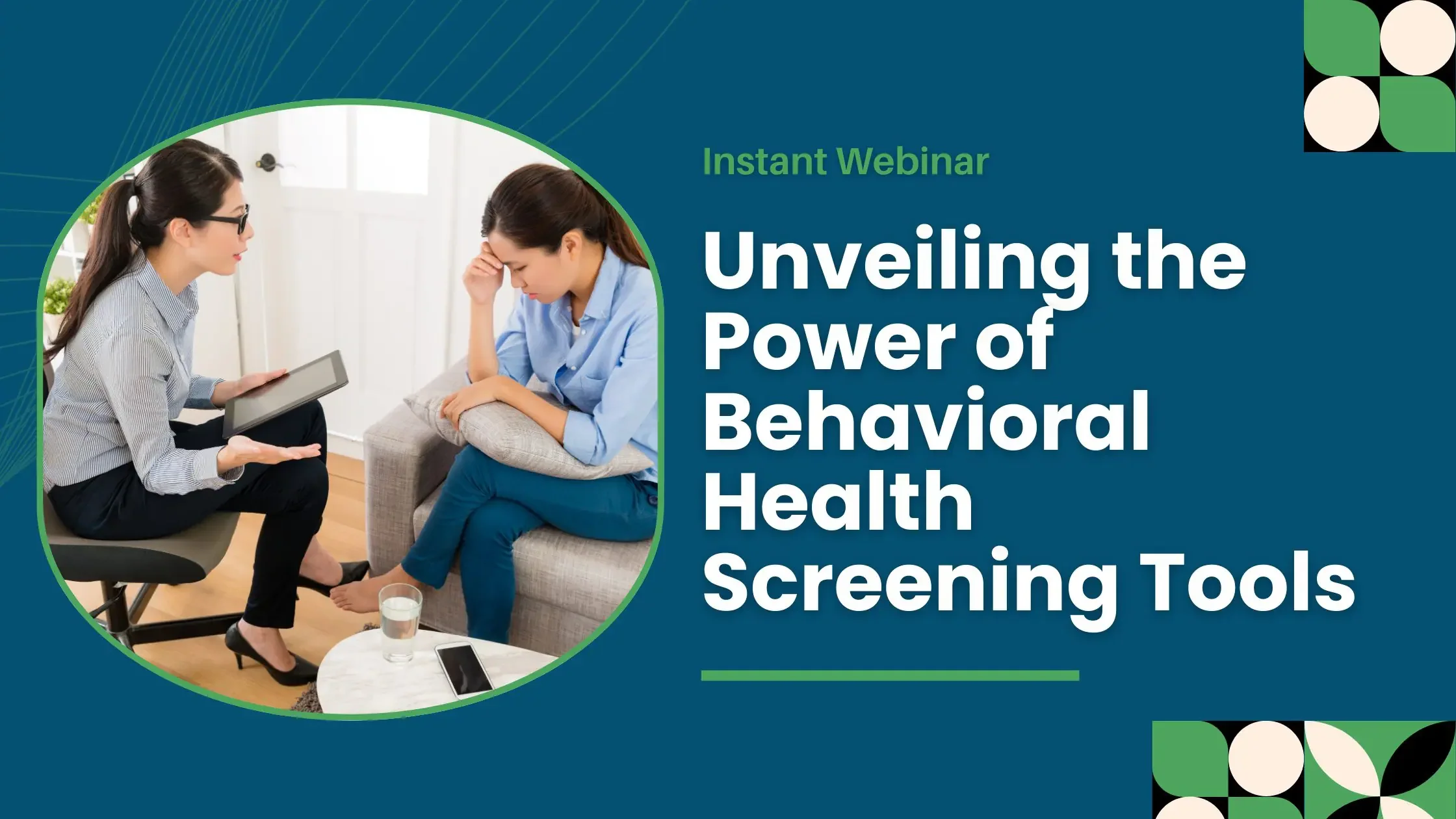
Life hits different when you’re juggling career demands, family responsibilities, and your own changing needs. I’ve noticed that many women reach a point where they’re not quite sure if what they’re experiencing is ‘normal’ stress or something that deserves professional attention.
The thing is, recognizing when you might benefit from a psychological assessment isn’t always straightforward. You might feel overwhelmed, anxious, or just ‘off’ without knowing exactly why. And here’s what happens: we often dismiss these feelings as part of getting older or having too much on our plates.
But sometimes, these experiences signal that a professional evaluation could provide valuable insights. Understanding when and why these assessments might help can be the first step toward better mental health and overall wellbeing.
The Hidden Signs That Shouldn’t Be Ignored
Look, we’re all familiar with obvious mental health red flags. But what about the subtler signs that might indicate you’d benefit from professional assessment?
Persistent sleep disruption that can’t be explained by external factors often signals underlying psychological stress. You might find yourself lying awake at 3 AM, mind racing through tomorrow’s to-do list or replaying conversations from years ago.
Changes in appetite or eating patterns frequently accompany mood disorders. This isn’t about occasional stress eating (we’ve all been there). It’s when you notice consistent changes in how food tastes, your hunger levels, or eating habits that seem disconnected from your lifestyle.
Difficulty concentrating at work or forgetting routine tasks can indicate more than just being ‘scattered.’ When you’re struggling to complete familiar responsibilities or find yourself rereading the same paragraph multiple times, your brain might be signaling that it needs support.
The American Psychological Association notes that women often experience unique stressors related to caregiving roles, workplace dynamics, and hormonal changes that can compound these symptoms.
Understanding Different Types of Assessment Tools
Professional psychological assessments aren’t one-size-fits-all. Different tools serve different purposes, and understanding what’s available can help you have more informed conversations with healthcare providers.
Personality assessments help identify patterns in thinking, feeling, and behaving that might contribute to current struggles. These comprehensive evaluations can reveal underlying traits that influence how you respond to stress and relationships.
Cognitive assessments examine memory, attention, and problem-solving abilities. They’re particularly useful if you’re concerned about concentration issues or memory problems that seem beyond normal aging.
Mood and symptom inventories track specific mental health symptoms over time. An mmpi test online can provide structured insights into various psychological patterns, though it’s important to remember that online versions should complement, not replace, professional evaluation.
Specialized assessments focus on specific conditions like anxiety disorders, depression, or attention difficulties. These targeted evaluations can provide clearer diagnostic information and treatment direction.
When Life Transitions Trigger the Need for Support
Major life changes often reveal mental health patterns that were previously manageable. Divorce, job loss, children leaving home, or caring for aging parents can all trigger symptoms that warrant professional assessment.
Perimenopause and menopause deserve special attention here. The hormonal fluctuations don’t just affect your body – they can significantly impact mood, cognition, and emotional regulation. What feels like ‘just hormones’ might actually be depression or anxiety that would respond well to treatment.
Career transitions, whether voluntary or forced, often bring identity questions and stress that can overwhelm your usual coping mechanisms. If you’re questioning who you are outside your professional role, psychological assessment might help clarify underlying values and strengths.
Relationship changes – whether it’s marriage problems, friendship losses, or family conflicts – sometimes reveal communication patterns or emotional responses that professional evaluation can help address.
In my experience, women often wait until they’re in crisis before seeking help. But assessment during transition periods can actually prevent more serious problems from developing.
Breaking Through Common Barriers
So why don’t more women pursue psychological assessment when they could benefit from it? The barriers are real, but they’re often more surmountable than they appear.
Time constraints top the list. Between work and family obligations, scheduling appointments feels impossible. Here’s the thing: many assessments can be completed in parts, and some initial screenings can even be done from home.
Cost concerns are legitimate, especially when insurance coverage varies. However, many community mental health centers offer sliding scale fees, and some employers provide employee assistance programs that include assessment services.
Stigma still plays a role, unfortunately. The fear that seeking assessment means you’re ‘weak’ or ‘broken’ keeps many women from getting helpful information about their mental health. But getting assessed is actually a proactive step toward understanding yourself better.
Worry about what you might discover can be paralyzing. What if the assessment reveals something serious? But consider this: wouldn’t you rather know what you’re dealing with so you can address it effectively?
The National Institute of Mental Health provides resources for finding mental health services and understanding different types of professional support available.
Making the Most of Professional Assessment
If you decide to pursue psychological assessment, preparation can make the process more valuable and less intimidating.
Keep a brief symptom diary for a week or two beforehand. Note sleep patterns, mood changes, stress levels, and any specific incidents that concern you. This information helps professionals understand your day-to-day experience.
Prepare a list of medications, supplements, and major life changes from the past year. Physical health and life circumstances both influence mental health, and complete information leads to better assessment.
Think about your goals for the assessment. Are you looking for diagnostic clarity, treatment recommendations, or just better self-understanding? Communicating your objectives helps professionals tailor their approach.
Be honest during the evaluation process. This isn’t the time to minimize symptoms or present yourself in the best possible light. The more accurate information you provide, the more helpful the results will be.
Remember that assessment is just the beginning. The real value comes from using the insights to make positive changes in your life, whether that’s through therapy, lifestyle modifications, or medical treatment.
Moving Forward with Confidence
Understanding your mental health doesn’t require you to have all the answers. Sometimes the bravest thing you can do is admit you need professional insights to move forward.
Psychological assessment isn’t about labeling yourself or finding something ‘wrong.’ It’s about gaining clarity on your strengths, understanding your challenges, and developing strategies that work for your unique situation.
Whether you’re dealing with stress, anxiety, depression, or just feeling stuck, professional assessment can provide the roadmap you need. And honestly? There’s something incredibly empowering about understanding yourself better and having concrete steps to improve your mental health.
Your wellbeing matters. You deserve to feel your best, and sometimes that means getting professional support to understand what’s happening in your mind and heart. Trust yourself to know when it’s time to seek that support.
