

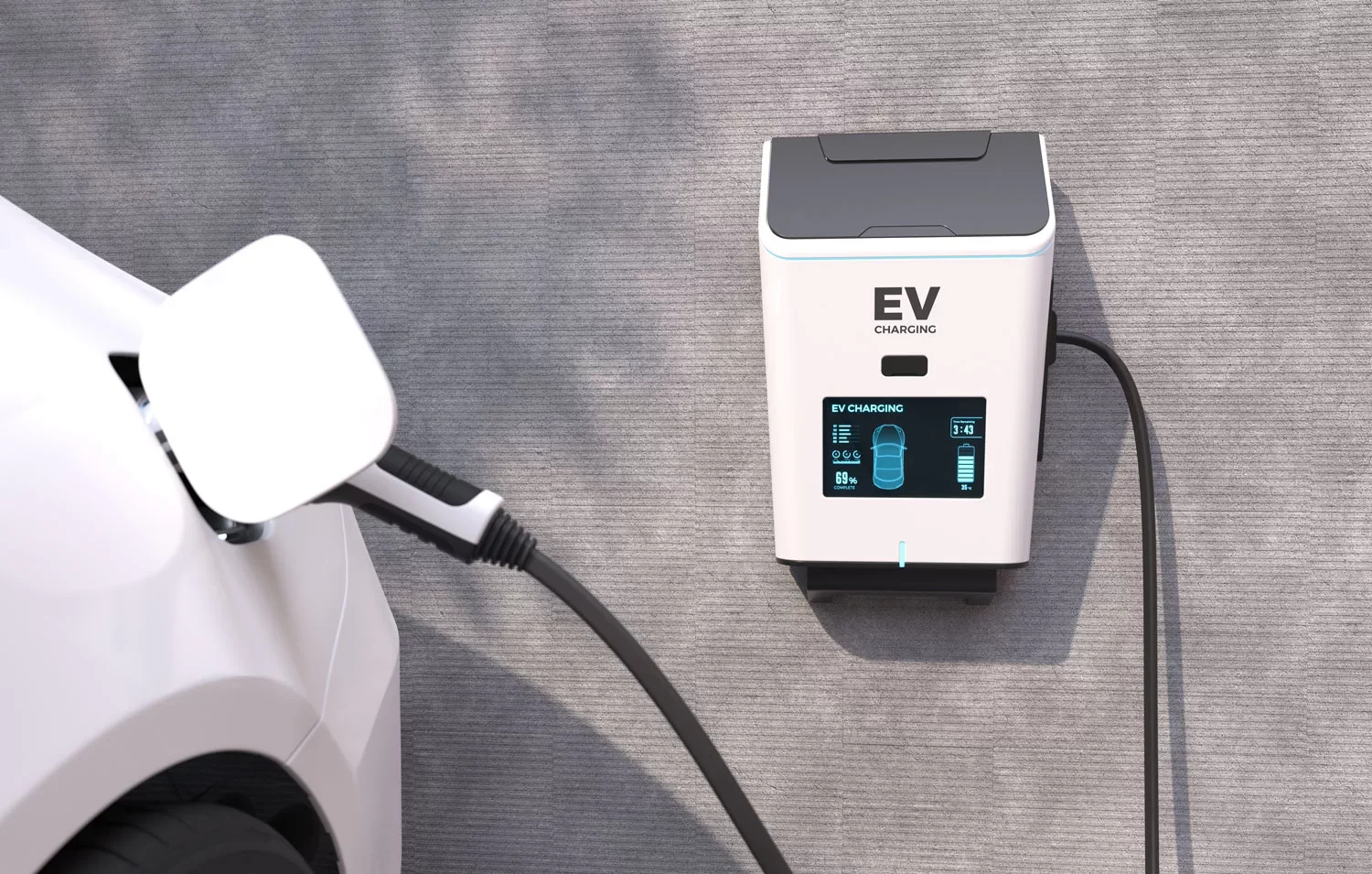
With the backdrop of exponential growth in EV markets, there has been an increasing trend of drivers switching to green cars. While EVs are a cool concept, charging concerns remain immense: EV charging points can be far from convenient to access, and depending solely on an at-home charging unit could cramp your freedom to some extent. So, this is where an EV portable charger comes into play.
The guide explores everything about the portable EV car charger-from how it works, through its major advantages, to the reason why every EV car should have one. We will also cover this, finding the best EV portable charging station for your application and choosing the right one for road trips.
What is a Portable EV Car Charger?
A portable EV car charger refers to any compact and lightweight device that can charge an electric vehicle (EV) while in transit. Unlike chargers that have to be permanently installed in homes, portable chargers give you flexibility and convenience. They are mostly plug-and-play, meaning after plugging the charger into an electric outlet, one is good to go. There are different variations of portable chargers, with Level 1 and Level 2 being the most popular.
Recently, portable DC fast chargers have also emerged, offering much faster charging speeds and greater convenience, although they are generally larger and more expensive. These variations mainly differ in charging speed and the type of electric outlet or power source used during charging.
Types of Portable EV Chargers
Level 1 Portable EV Charger
The Level 1 portable charger is the simplest type, drawing power from a regular 120-volt household outlet. This is also the slowest of the three options; the charger will do about 3–5 miles worth of range in an hour of charging time, though it is the most common. This level works well for cities where charging infrastructure is less developed or for occasional overnight top-ups.
Level 2 Portable EV Charger
A Level 2 portable EV charger connects to a 240-volt outlet and charges faster: typical rates are around 15–25 miles per hour of charging time. Level 2 chargers would therefore be the best option for an EV owner who just needs a quicker, but still portable, alternative to fixed charging stations. Furthermore, they come in handy during road trips or long-distance travel, situations that require fast recharge times.
DC Fast Charger
In the fastest charging solution, indeed, the portable DC fast charger sits at the top. Based on the vehicle and the charger type, these chargers can charge an EV up to 80% in as fast as 30 minutes. DC fast chargers, in general, will be in the range of thousands of dollars and are mostly bulky to carry around. Another downside is that DC fast chargers require a higher-voltage system than your typical home charger. Fleet operators and EV enthusiasts who often travel long distances would find these chargers an excellent solution.
Why You Would Need to Rent One?
There are many reasons why a portable charger is worth the expense for electric car owners:
1. Charging During Road Trip
This is one of the main advantages of a portable charger to carry. It can charge the car whenever it is out on the road. If you are traveling through rural areas or just do not have a public charging station available, a portable EV charger for road trips will make sure you never get stuck. You just have to plug into any wall outlet, and off you go in a jiffy.
2. Secondary Option for Emergencies
Most of the time, people charge at home overnight. It is a situation you never thought could arise. Think about the time you would run low on charge if you were away from home. Having a portable charger secures you with a backup that gives you peace of mind that you will never run out of power, even when far from the designated charging stations.
3. Charging Flexibility in Different Locations
Portable EV charging stations allow you to charge your car anywhere, which means at a friend’s house, in a hotel, or probably in some remote little campground. Sometimes you may not have the luxury to pick your place or the availability of your own particular type of connector at a public charging station.
4. Avoiding Long Wait Times at Charging Stations
Due to location, charging stations may be crowded, with long wait times. Avoid such inconveniences with a portable charger, and charge your car in more convenient locations, saving you valuable time and reducing stress.
Stationary vs. Portable EV Chargers
Getting on with considering the differences between a portable charger and a fixed or wall-mounted charger is as follows:
| Feature | Portable Charger | Stationary Charger |
| Installation | No installation required; plug-and-play | Needs professional installation |
| Portability | It can easily be carried and used anywhere | Fixed to one spot |
| Charging Speed | Can be Level 1 or Level 2 | Usually, Level 2 or higher |
| Cost | More affordable upfront | Accumulated higher installation and hardware costs |
| Best For | Best For Travelers, renters, or anyone with two or more places | Families with a set charging spot or fleet operators |
Therefore, a portable EV charger provides flexibility and convenience, while a stationary charger is best suited for most daily home charging needs.
Key Features to Look for in a Portable EV Charging Apparatus
While shopping for your portable EV charger, do consider the following factors:
1. Charging Speed
The charging speed will depend on the level you select. Level 1 chargers are the slowest but the most accessible. Level 2 chargers give the fastest charging speeds. For occasional trips and daily use, the portable Level 2 charger is the best option in terms of both performance and mobility.
2. Build Quality and Warranty
Powered conservation appliances are generally constructed to endure outdoor conditions. An IP rating of 55 or above will give a good indication of equipment durability, since such a rating entails protection from dust and water, which makes them suitable for use even in difficult environmental conditions.
3. Compatibility
The unit’s compatibility with your land vehicle is a must. Be sure to inspect the types of plugs (i.e., J1772 or Tesla connectors) and the measured voltage support.
4. Weight and Portability
Easily portable are those that have a lower weight and a more compact design. Some brands even provide a carrying case for extra protection during transit.
5. Cable Length
More flexible, having the car farther from the outlet is one advantage longer cables offer in public parking or campgrounds.
The List of Best Portable Electric Vehicle Chargers for Road Trips
World-class EV chargers for road trips are presented here.
1. ChargePoint Home Flex Level 2 Charger
This device delivers up to 50 amps of current; therefore, fast charging could be possible. It has smart app control and is compatible with the majority of EVs, thus being an ideal portable kit for road tripping.
2. Juicebox 40 Level 2 EV Charger
This charger provides an impressive 40-amp flow along with a Wi-Fi setup, so users can monitor their charging sessions from a distance. It is small but durable and resistant to weather conditions, thus being perfect for all travelers.
3. Tesla Mobile Connector
This is for the Tesla owners who can either charge from 120V or 240V outlets. Although slower than a Level 2 charger, it opens up more flexibility when you are not near a Supercharger.
Cost and Value: What to Expect?
The price for a portable EV charger depends on the power and manufacturer, along with the features.
- Level 1 Chargers: $150 to $250-$A basic and slow charger that is good for overnight charging.
- Level 2 Chargers: $300 to $700-$A faster charger that is good for frequent drivers.
- Portable DC Fast Chargers: $1,000 to $2,500-They are the fastest charging type and mostly used by fleets or serious travelers.
The battery is very expensive, but the portable DC fast charging option is smart to implement, as it will save time besides the charging at dedicated public stations, making it off the grid a reasonable investment.
Maintaining Your Portable EV Charger
To keep a portable charger in good working order:
- Inspect Regularly: Examine cables and connectors for signs of wear or damage.
- Clean After Use: Use a paper towel to wipe off the connectors and store them in a dry place.
- Avoid Extreme Temperatures: Heat or a little chill influence alters charging performance.
- Use Original Accessories: Avoid third-party adapters that may not meet safety standards.
Proper care ensures that your power pack will remain reliable for years.
Frequently Asked Questions (FAQ)
1. Can I use my portable charger in any country?
Yes, but you may need to use a plug adapter or sometimes even a voltage converter after checking the electrical standards in the local country. Always ensure compatibility when traveling again.
2. How long does it take to charge an electric vehicle using a portable charger?
At maximum, a Level 1 charger could take an EV 24 hours for a full charge; a Level 2 portable charger could charge most EVs in 4-8 hours, depending on their battery size.
3. Is it safe to operate a portable charger while it rains?
Most modern chargers have weather resistance and are designed for outdoor use. However, always consider the IP rating and instructions given by the manufacturers for wet-condition charging.
4. Can I make the installation of a portable charger permanent?
Technically, yes. There are a few portable kinds that can double up as semi-permanent chargers in garages or parking spots, thereby giving you the ability to move if you so desire.
Conclusion
An EV portable charger is an essential item every EV owner must have. A portable charger gives you unmatched flexibility and convenience on the road, whether it’s just a bus trip, an emergency backup, or charging anywhere on the go. Choose the right one, and you’ll never have to worry ever again about running out of charge.
Pay attention to the speed, durability, compatibility, and portability to find the best charger for electric cars that suits your way of living. Limit your charge time no more—get out of your car with the best portable EV charging station, and go travel with no limits.
