

As winter storms grow more severe and unpredictable, smart home technology is increasingly being tested under extreme conditions. In 2026, homeowners rely heavily on IoT-enabled devices such as smart thermostats, temperature sensors, and automated heating systems to maintain comfort and safety. However, many are unaware that these systems can fail during winter storms—especially when exposed to freezing temperatures and power outages.
One of the biggest challenges during winter storms is the vulnerability of IoT sensors to extreme cold. Many smart sensors are designed to operate within specific temperature ranges. When temperatures drop below those thresholds, sensors can malfunction, deliver inaccurate readings, or shut down entirely. This can lead to delayed heating responses, frozen pipes, and costly property damage.
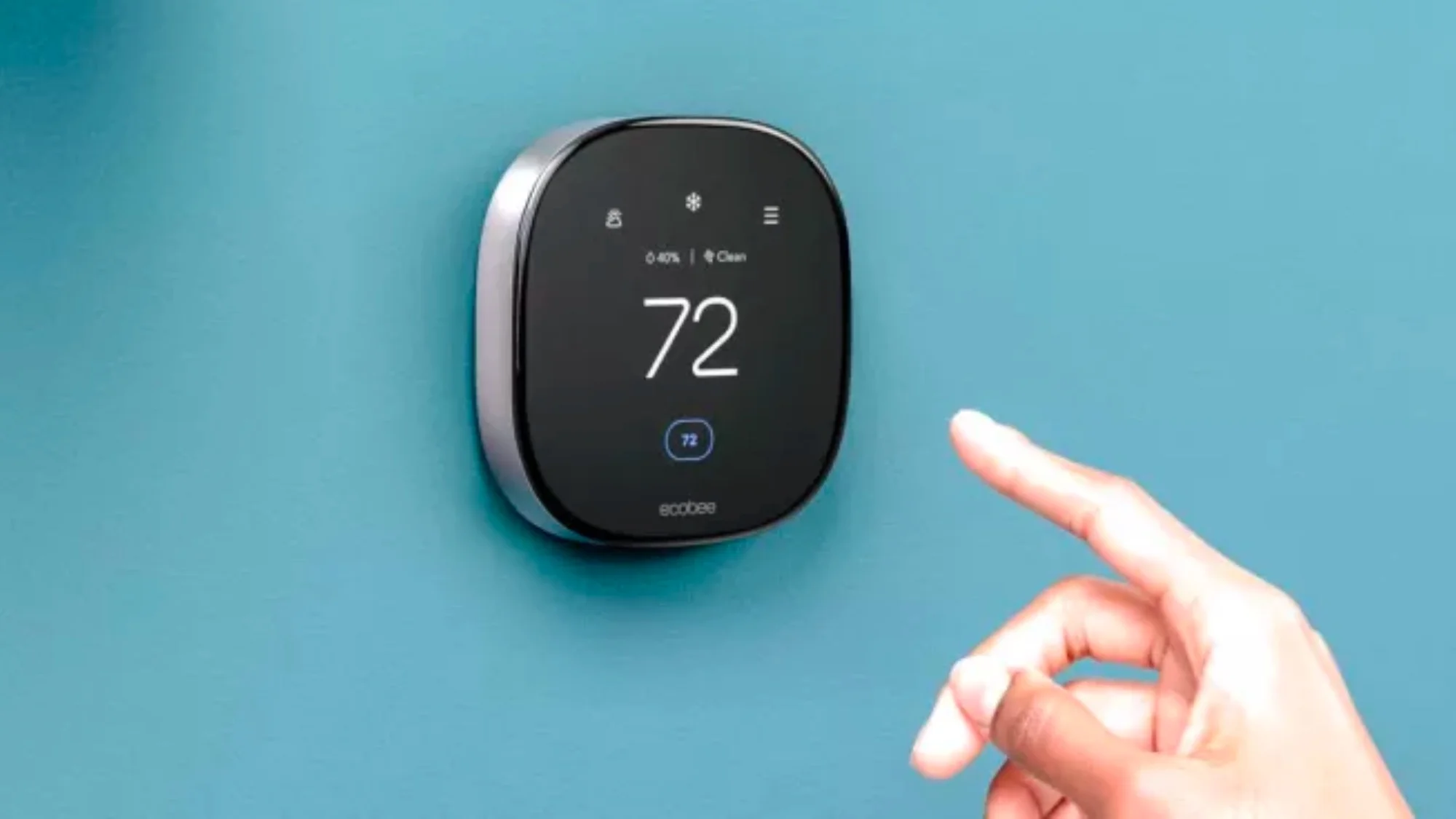
Smart thermostats are particularly critical during winter weather. They regulate indoor temperatures, manage energy efficiency, and often integrate with broader smart home ecosystems. However, during winter storms, power disruptions are common. Without backup power, even the most advanced thermostat becomes useless, leaving homes exposed to dangerous temperature drops.
In recent years, homeowners have assumed that “smart” automatically means “storm-proof.” Unfortunately, that is not always the case. IoT devices depend on electricity, Wi-Fi connectivity, and cloud-based systems. When winter storms knock out power lines or disrupt internet service, smart home systems can fail unless they are properly prepared.
Backup power solutions are no longer optional—they are essential. Battery backups, uninterruptible power supplies (UPS), and smart generators can keep thermostats and critical sensors running during outages. These systems ensure that heating continues to function, pipes remain protected, and homeowners receive alerts even when the grid goes down.
Another often-overlooked issue is sensor placement. Many IoT temperature and humidity sensors are installed in garages, basements, or near exterior walls—areas most susceptible to freezing. During winter storms, these locations experience rapid temperature drops, increasing the risk of sensor failure. Proper insulation and strategic placement can significantly improve sensor performance and reliability.
Modern smart home systems in 2026 are beginning to incorporate cold-weather resilience features. Some manufacturers now offer sensors rated for sub-zero temperatures, while others include self-heating components or failover mechanisms. However, these features are not standard across all devices, making homeowner awareness and preparation critical.
Winter storm preparedness also extends beyond individual devices. A truly resilient smart home uses layered protection—backup power, redundant sensors, offline functionality, and manual override options. This ensures that even if one component fails, the overall system continues to protect the home.
From an insurance and risk management perspective, smart home winter preparedness is becoming a major focus. Insurers are increasingly encouraging homeowners to adopt resilient smart technologies to reduce claims related to frozen pipes, heating failures, and storm damage. Homes equipped with backup-powered thermostats and reliable sensors are proving to be far less vulnerable during severe winter events.
For homeowners looking to future-proof their properties, understanding how smart devices behave under winter stress is essential. resilient smart home winter storm strategies offer valuable insights into building systems that can withstand freezing temperatures and extended power outages.
In conclusion, smart home technology can be a powerful ally during winter storms—but only if it is properly prepared. IoT sensors can freeze, thermostats can fail, and automation can break down without backup power and thoughtful system design. As winter storms continue to intensify, proactive smart home preparedness is no longer a luxury—it is a necessity.
