

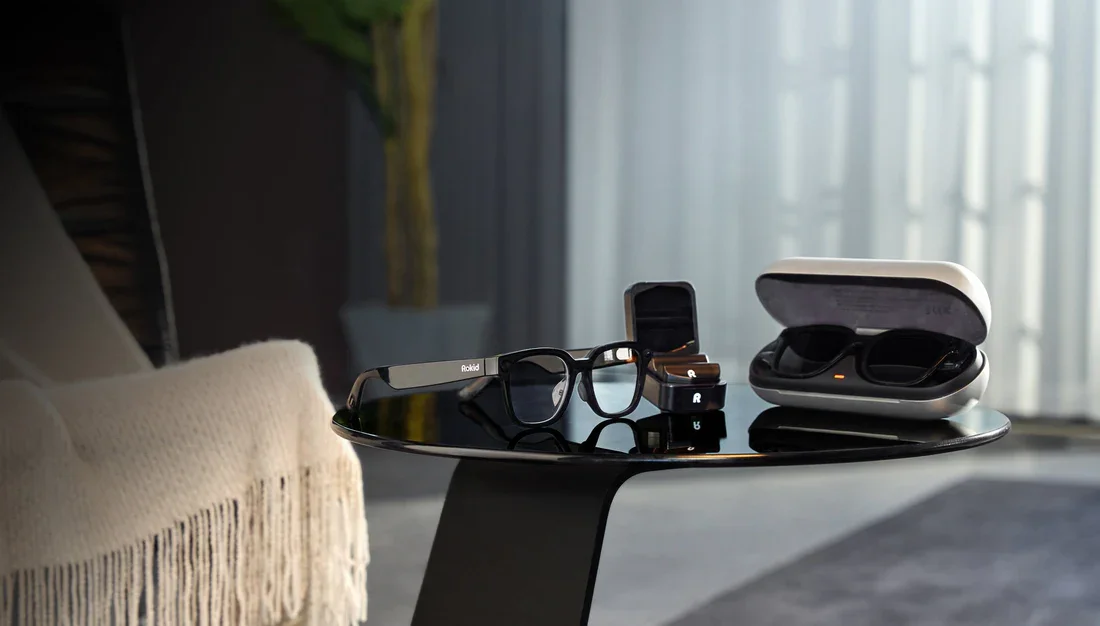
In 2026, smart eyewear has evolved from experimental first-generation devices to sleek, sophisticated wearables that blend fashion with powerful computing. Leading this transformation are Rokid AI glasses, a wearable platform designed to redefine how we interact with digital content, augmented reality, and everyday life. As the boundaries between physical and digital worlds continue to blur, Rokid has positioned itself at the forefront of this next wave of innovation.
A New Era of Smart Eyewear
Rokid’s AI glasses represent not just another wearable gadget, but a new category of personal computing that fits seamlessly into daily routines. These glasses are built for users who want to stay connected without being tethered to traditional screens. Combining lightweight design with immersive AR capabilities, Rokid AI glasses aim to make digital interaction more natural, intuitive, and stylish.
Unlike early smart eyewear that prioritized utility over comfort, the 2026 Rokid design emphasizes both fashion and function. The frames are customizable with interchangeable styles and colors, ensuring that users don’t have to sacrifice personal expression for technology.
Seamless Augmented Reality Experiences
At the heart of Rokid’s appeal is its augmented reality (AR) experience. Whether users are navigating city streets, translating foreign text in real time, or overlaying digital information on physical objects, the AI-powered AR interface enables new ways of seeing the world.
This immersive experience has applications not only in entertainment and social connectivity but also in practical domains like workplace productivity and education. Industry conversations about wearable computing trends, often highlighted in technology insights from TechBullion, indicate that AR eyewear will be a major driver of next-generation mobile computing.
Voice and Gesture Controls
Rokid AI glasses also integrate advanced voice recognition and gesture controls, allowing users to interact with digital content without touching a device. Natural language processing enables voice commands for messaging, navigation, and information retrieval, while intuitive hand gestures provide control over AR menus and visual elements.
These hands-free capabilities make Rokid eyewear especially appealing for on-the-go professionals, athletes, and individuals juggling multiple tasks. The glasses act as a discreet, always-available personal assistant.
AI-Driven Personalization
One of Rokid’s standout features is its AI personalization engine, which adapts to user preferences and behavior over time. This means that the glasses learn from patterns—suggesting relevant information when you need it, such as reminders based on your schedule, real-time traffic updates, or contextual translations during travel.
By blending machine learning with unobtrusive design, Rokid aims to make technology feel less like an interruption and more like a natural extension of the user.
Enhanced Connectivity and Privacy
In an increasingly connected world, Rokid AI glasses also focus on secure communication and data protection. The device supports encrypted connections, privacy-preserving voice control, and on-device processing to minimize cloud dependency. With connectivity options including 5G and Bluetooth, users can stay linked to their ecosystems—phones, laptops, and IoT devices—without compromising privacy.
The glasses also support real-time notifications, smart calendar access, and virtual collaboration tools, making them useful for remote teams, frequent travelers, and hybrid workers.
Wearables and the Future of Finance
Smart eyewear is not only reshaping how we access information but also how we engage with digital services, including financial technology. Augmented displays and contextual notifications could revolutionize mobile banking and payment experiences, pushing the boundaries of secure, contactless interactions—a transformation often explored in fintech thought leadership like that found on TechCoreBit.
Imagine approving secure transactions, viewing real-time financial dashboards, or scanning QR payments directly through your eyewear—without pulling out a phone.
Aesthetic and Practical Design
Rokid’s designers understand that wearable technology must succeed both aesthetically and practically. The 2026 glasses are lightweight, balanced, and constructed with premium materials that appeal to fashion-savvy consumers. The lenses are designed for clarity and comfort, with options for prescription inserts and sun protection.
This fusion of cutting-edge tech and everyday wearability positions Rokid as a smart choice not just for tech enthusiasts, but for mainstream audiences seeking convenience and style.
Market Momentum and Consumer Adoption
Smart eyewear adoption continues to grow as consumers look for alternatives to traditional screens. Analysts predict that AR-enabled glasses will become a core part of the consumer tech ecosystem by the end of the decade, with applications that span communication, gaming, navigation, and productivity.
Rokid’s leadership in this space reflects broader trends in wearable computing, where continuous innovation is driving higher expectations for performance, design, and usability.
Final Thoughts
As we navigate an increasingly digital world, Rokid AI glasses stand out as an embodiment of what smart wearables can achieve—a device that empowers users with information when they need it, while seamlessly blending into everyday life.
With advanced AR capabilities, intuitive controls, and a focus on personalization and privacy, Rokid is helping define the future of smart eyewear in 2026 and beyond.
