

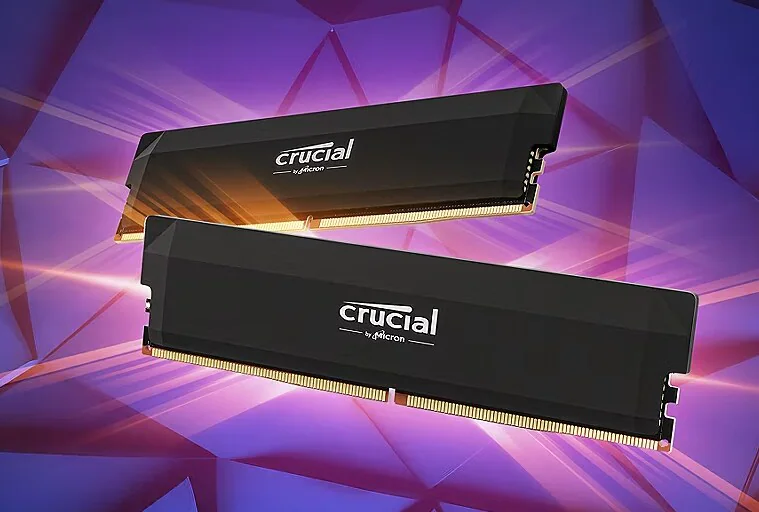
Micron, a leading global memory and storage manufacturer, has announced the retirement of its Crucial brand. Crucial has long been recognized for producing affordable SSDs and RAM modules, popular among gamers, PC builders, and everyday users. The move raises questions about the future of budget-friendly memory solutions.
The retirement comes as Micron shifts focus toward high-performance and enterprise-grade products. Analysts suggest that while premium segments remain profitable, lower-cost markets are becoming less attractive due to rising production costs and shrinking margins.
Why Micron Is Retiring Crucial
Crucial was launched to provide accessible memory solutions without compromising quality. However, over the years, competition from other manufacturers and the rise of low-cost brands from Asia has put pressure on margins.
Micron’s decision to retire Crucial reflects a broader strategy to consolidate resources and focus on next-generation technologies. These include high-speed DRAM, NVMe SSDs, and enterprise storage solutions that cater to data centers and professional users.
Impact on Budget SSDs and RAM
The retirement of Crucial could significantly affect the availability of budget SSDs and RAM in global markets. Many consumers relied on Crucial for cost-effective upgrades. With the brand gone, alternatives may be more expensive or limited in supply.
Retailers and e-commerce platforms are expected to adjust inventories in the coming months. Some industry experts believe this move could accelerate market consolidation, leaving only a few manufacturers to dominate the affordable memory segment. These trends are explored in global memory and storage market studies, which examine how product discontinuation affects pricing and availability.
What It Means for PC Builders and Gamers
For PC enthusiasts, gamers, and small businesses, the end of Crucial products could create challenges. Upgrading or building budget systems may become more expensive. Users may need to seek alternative brands or adjust specifications to meet performance requirements without exceeding budgets.
At the same time, premium SSDs and RAM modules are becoming faster, more reliable, and more feature-rich. While costs are higher, these products cater to professional users who demand higher performance and durability.
Micron’s Strategic Shift
Micron is not leaving the consumer market entirely. Instead, it is focusing on high-margin products, cutting-edge technology, and enterprise solutions. The company is investing in DDR5, PCIe 5.0 SSDs, and next-generation NAND technologies.
These developments are part of a larger trend observed in advanced semiconductor and storage innovation, where manufacturers prioritize innovation and high-performance segments over low-cost consumer products.
Supply Chain and Market Implications
The discontinuation of Crucial may also affect supply chains. OEMs and system integrators that relied on the brand for affordable memory may need to adjust sourcing strategies.
Smaller brands may attempt to fill the gap, but supply, quality, and compatibility could vary. This creates opportunities for regional manufacturers to gain market share but may also introduce inconsistency in product availability.
Consumer Alternatives
Consumers who previously relied on Crucial now have several options, including Kingston, Western Digital, Corsair, and Samsung. However, price points may be higher for similar specifications. Retailers may offer promotions, but long-term availability of affordable SSDs and RAM may decline.
For tech enthusiasts, this could mean adjusting expectations. While cutting-edge performance is accessible, truly budget-friendly options may become increasingly rare.
Final Thought
Micron’s retirement of the Crucial brand marks a significant turning point in the memory and storage market. Budget SSDs and RAM may become harder to find, pushing consumers toward more expensive alternatives.
At the same time, the move reflects a broader industry trend: manufacturers are focusing on high-performance, next-generation products while reducing exposure to low-margin consumer segments. For buyers, PC builders, and gamers, this is a reminder that affordability may give way to innovation-driven pricing in the memory and storage space.
