

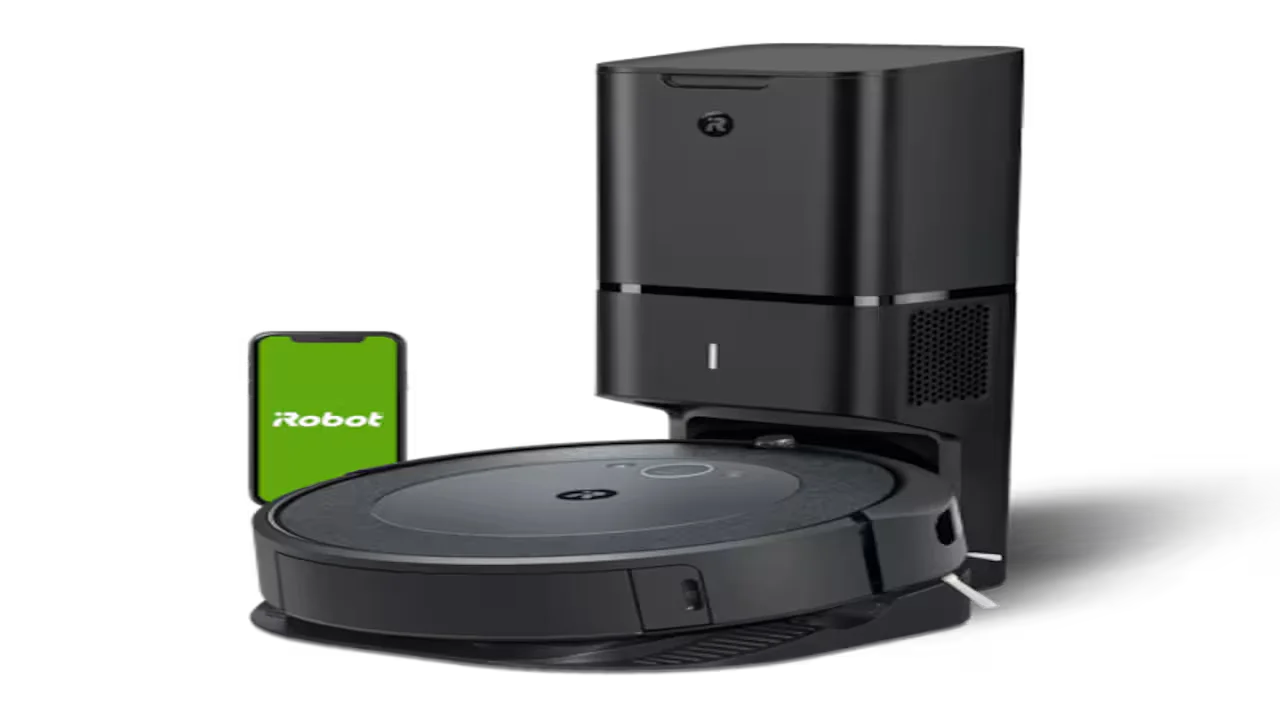
iRobot, the company best known for creating the Roomba robotic vacuum, has officially declared bankruptcy after 35 years in operation. The announcement marks the end of an era for one of the most recognizable consumer robotics brands. As part of the bankruptcy process, iRobot will be acquired by Shenzhen Picea, a China-based technology company, pending regulatory approval.
Founded in 1990, iRobot played a pioneering role in bringing consumer robotics into everyday homes. Its Roomba vacuum became a symbol of smart home innovation and helped define an entire product category. However, rising competition, financial pressure, and failed acquisition efforts eventually pushed the company into restructuring.
How iRobot Reached This Point
iRobot’s financial struggles did not appear overnight. In recent years, the company faced declining sales, increased manufacturing costs, and strong competition from lower-priced alternatives. iRobot bankruptcy acquisition. Many rivals entered the robotic vacuum market with similar features at more affordable prices.
At the same time, iRobot invested heavily in research, development, and marketing. These costs strained its balance sheet as revenue growth slowed. Supply chain disruptions and inflation further increased pressure on profitability.
The situation worsened after a proposed acquisition by Amazon was abandoned due to regulatory concerns. That deal was expected to provide financial stability and long-term support. When it failed, iRobot was left with limited options.
Bankruptcy and Acquisition by Shenzhen Picea
iRobot has now filed for bankruptcy protection to restructure its operations and sell its assets. Shenzhen Picea emerged as the buyer, agreeing to acquire the Roomba maker and its core intellectual property.
Shenzhen Picea operates in the consumer electronics and smart device sector. The acquisition signals its intention to expand globally by leveraging iRobot’s brand recognition and engineering experience.
Industry analysts view the deal as part of cross-border technology consolidation trends, where established Western brands are acquired by Asian firms seeking international growth.
What Happens to the Roomba Brand?
Despite the bankruptcy filing, iRobot has stated that operations will continue during the transition. Customers can still expect product support, software updates, and warranty services in the near term.
Under new ownership, the Roomba brand could see changes in pricing, design, and manufacturing strategy. Shenzhen Picea may focus on improving cost efficiency while expanding product offerings.
However, maintaining customer trust will be critical. Roomba built its reputation on reliability and innovation. Any major shift in quality or service could impact brand loyalty.
Impact on the Consumer Robotics Industry
iRobot’s bankruptcy highlights how competitive the smart home market has become. Once-dominant innovators now face pressure from agile manufacturers with faster production cycles and lower costs.
This shift reflects global smart hardware market realignment, where scale, pricing, and supply chain control are as important as innovation. Companies that fail to adapt quickly risk losing relevance.
The deal also shows how intellectual property remains valuable even when companies struggle financially. iRobot’s patents, software, and robotics expertise were key assets in the acquisition.
What This Means for Employees and Partners
Bankruptcy often brings uncertainty for employees. iRobot has not yet confirmed how many jobs may be affected after the acquisition. Some restructuring is expected as operations are streamlined.
Business partners and suppliers may also face changes. New ownership typically reviews contracts and vendor relationships to reduce costs and improve efficiency.
Still, the acquisition offers a path forward. Without it, iRobot may have faced liquidation rather than continuation
Final Thought
The bankruptcy of iRobot marks the end of a 35-year journey that shaped the consumer robotics industry. From early innovation to global recognition, the company changed how people think about automated cleaning.
The acquisition by Shenzhen Picea represents both an ending and a new beginning. While iRobot’s independence is gone, its technology and brand may continue under new leadership.
This moment serves as a reminder that even iconic tech companies must evolve to survive. In a fast-moving global market, innovation alone is no longer enough—adaptability and financial resilience are just as critical.
