

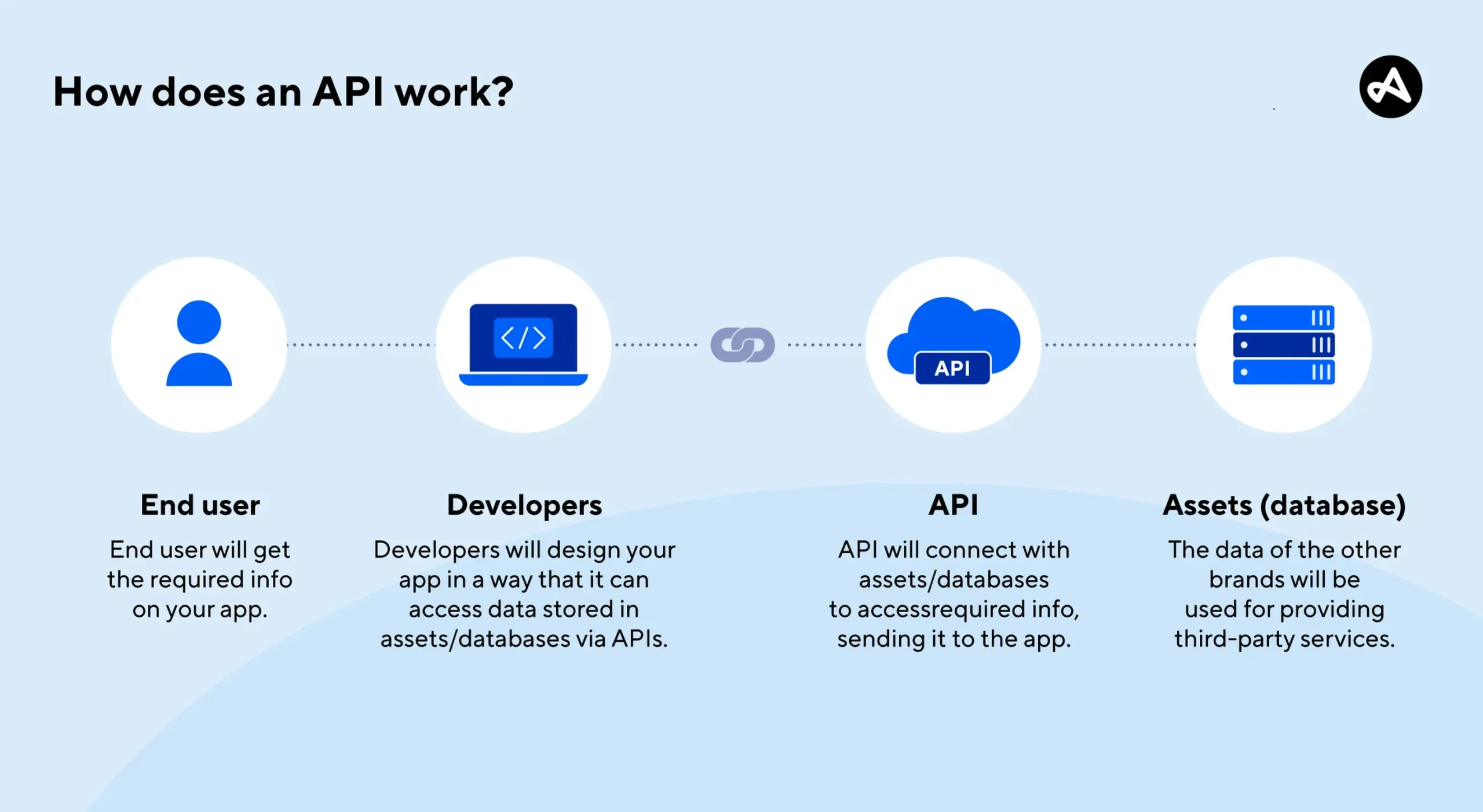
The digital world runs on connections. Every time you book a ride, make an online payment, log into a website using social media, or check the weather on your smartphone, Application Programming Interfaces (APIs) are working behind the scenes. Understanding how APIs power the modern internet ecosystem reveals why they are essential to innovation, scalability, and seamless digital experiences.
APIs act as bridges that allow different software systems to communicate with each other. They enable applications, platforms, and services to share data securely and efficiently. Without APIs, the connected digital economy we rely on today would not exist.
What Are APIs?
An API (Application Programming Interface) is a set of rules that allows one software application to interact with another. Instead of building every feature from scratch, developers use APIs to connect their systems with external services.
For example:
- Payment gateways integrate with e-commerce platforms.
- Social media logins connect with websites.
- Mapping services integrate into delivery apps.
- Cloud storage connects with productivity tools.
APIs simplify complex processes and allow businesses to deliver advanced features quickly.
The Foundation of Digital Integration
Modern internet services depend on interconnected systems. APIs enable:
- Data exchange between platforms
- Third-party service integration
- Cloud-based scalability
- Automation of workflows
- Microservices architecture
In a microservices environment, applications are divided into smaller, independent services that communicate via APIs. This structure improves flexibility, reliability, and faster deployment cycles.
Driving Innovation and Speed
APIs accelerate innovation by allowing companies to leverage existing technologies. Instead of reinventing infrastructure, businesses can integrate powerful external tools.
Startups, in particular, benefit from API ecosystems. They can build scalable solutions by combining multiple APIs such as payment processing, messaging services, analytics platforms, and authentication systems. This reduces development time and operational costs.
Large enterprises also rely on APIs to modernize legacy systems. By exposing specific functionalities through APIs, organizations can upgrade systems gradually without full infrastructure replacement.
Enhancing User Experience
User expectations are higher than ever. Customers demand fast, seamless, and personalized digital experiences. APIs enable:
- Real-time data synchronization
- Cross-platform functionality
- Instant payment confirmations
- Personalized recommendations
- Automated notifications
When systems communicate efficiently, users experience fewer delays and smoother interactions. This directly improves customer satisfaction and retention.
APIs and the Cloud Revolution
Cloud computing and APIs are closely connected. Cloud platforms provide infrastructure and services that are accessible through APIs. This allows businesses to scale operations up or down based on demand.
For example, streaming platforms rely on APIs to manage content delivery, user authentication, and subscription management. Similarly, SaaS applications use APIs to integrate with third-party tools, enhancing productivity for businesses worldwide.
Security and Governance
While APIs enable connectivity, they must be managed carefully to ensure security. Poorly secured APIs can become entry points for cyberattacks.
Organizations must implement:
- Strong authentication protocols
- Rate limiting
- Encryption standards
- API gateways
- Continuous monitoring
Effective API governance ensures compliance with data protection regulations and prevents unauthorized access.
APIs in Emerging Technologies
APIs also power emerging technologies such as artificial intelligence, Internet of Things (IoT), blockchain, and fintech innovations. Smart devices communicate through APIs to exchange data in real time. Financial applications use APIs to enable open banking services.
As digital ecosystems grow more complex, APIs become even more critical in maintaining structured communication between diverse systems. Businesses that adopt a strategic API-first approach often gain a competitive advantage in digital transformation.
Organizations seeking structured digital integration strategies can explore frameworks like the Advanced API Integration Architecture Model to streamline connectivity while maintaining scalability and security.
Economic Impact of API Ecosystems
API-driven ecosystems create new business models. Companies can monetize APIs by offering access to developers and partners. This approach fosters innovation and builds collaborative digital environments.
Well-known technology platforms have built thriving developer communities by opening their APIs. This model encourages third-party applications, expanding the platform’s reach and revenue potential.
The Future of APIs
The future of APIs lies in automation, artificial intelligence integration, and enhanced interoperability standards. GraphQL, RESTful APIs, and event-driven architectures are shaping modern development practices.
As businesses continue to digitize operations, APIs will remain the backbone of connectivity. They will enable seamless communication across devices, industries, and global markets.
Final Thoughts
Understanding how APIs power the modern internet ecosystem highlights their central role in today’s digital economy. APIs connect services, enhance user experiences, enable innovation, and support scalable growth.
From startups to global enterprises, organizations that prioritize API strategy position themselves for long-term success. In a world driven by connectivity, APIs are not just technical tools—they are the foundation of digital transformation.
