

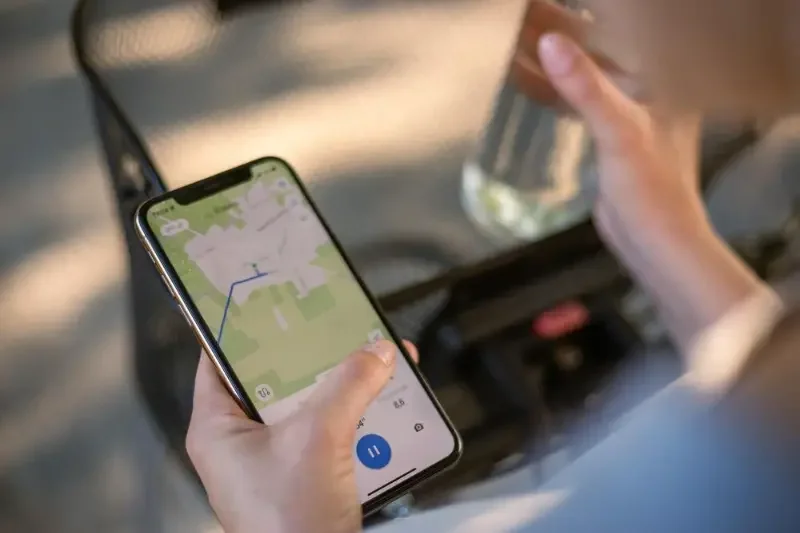
Snowstorms present more than just travel delays—they expose critical weaknesses in the digital tools people rely on every day. GPS navigation systems, mapping platforms, and delivery apps are essential for transportation, logistics, and commerce. However, during severe winter weather, these technologies often fail or provide unreliable guidance. Understanding why these failures occur is the first step toward fixing them.
One major reason GPS and mapping apps struggle during snowstorms is outdated or incomplete real-time data. Most navigation systems rely on historical traffic patterns combined with live inputs from users and sensors. When snow rapidly changes road conditions, closures, or visibility, these systems may not update quickly enough. As a result, drivers are often routed onto unsafe or impassable roads.
Satellite signal degradation is another contributing factor. Heavy snowfall, dense cloud cover, and ice accumulation can interfere with GPS signal accuracy. While GPS satellites themselves remain operational, the signal received by devices on the ground can weaken, leading to delayed location updates or inaccurate positioning. This becomes especially problematic in rural or mountainous areas.
Delivery apps face additional challenges during snowstorms. Algorithms are designed to optimize speed and efficiency under normal conditions. In winter storms, however, these algorithms struggle to account for reduced driving speeds, road closures, and increased accident risks. This often results in unrealistic delivery estimates, canceled orders, and frustrated customers.
Digital maps also depend heavily on user-generated reports. During snowstorms, fewer people are on the road, reducing the volume of live data. This creates blind spots in the system, where hazardous conditions go unreported. Without sufficient inputs, mapping apps may falsely mark dangerous routes as clear and accessible.
Another overlooked issue is device performance in extreme cold. Smartphones and vehicle-mounted GPS units can experience battery drain, screen lag, or shutdowns when exposed to freezing temperatures. This limits real-time navigation capabilities precisely when users need them most.
Fixing these issues requires a combination of technological upgrades and smarter system design. One solution is the integration of weather-aware routing. By combining meteorological data with navigation algorithms, apps can proactively reroute users away from areas experiencing heavy snowfall or icy conditions.
Enhanced collaboration with local authorities is also key. Real-time feeds from transportation departments about road closures, snowplow activity, and accident reports can dramatically improve map accuracy. Some platforms are already testing these integrations, but wider adoption is needed.
For delivery services, dynamic winter-mode algorithms can help. These systems adjust delivery expectations based on storm severity, driver safety, and road conditions. By prioritizing safety over speed, delivery apps can reduce cancellations and improve customer trust during winter events.
Offline functionality is another important fix. Allowing users to download maps and routes in advance ensures navigation remains available even when connectivity drops during snowstorms. This is particularly valuable in areas where winter weather disrupts mobile networks.
Emerging technologies such as AI-driven traffic prediction and vehicle-to-infrastructure communication also show promise. These innovations allow systems to anticipate problems before they occur, rather than reacting after failures happen.
For a deeper look at how navigation systems can be made more resilient, winter-resilient navigation system solutions provide insight into improving reliability during extreme snow conditions.
In conclusion, GPS, maps, and delivery apps fail in snowstorms due to data gaps, signal interference, algorithm limitations, and device constraints. Fixing these issues requires smarter integration of weather data, infrastructure partnerships, and winter-specific system design. As snowstorms become more intense and frequent, building resilient digital navigation tools is no longer optional—it is essential.
