

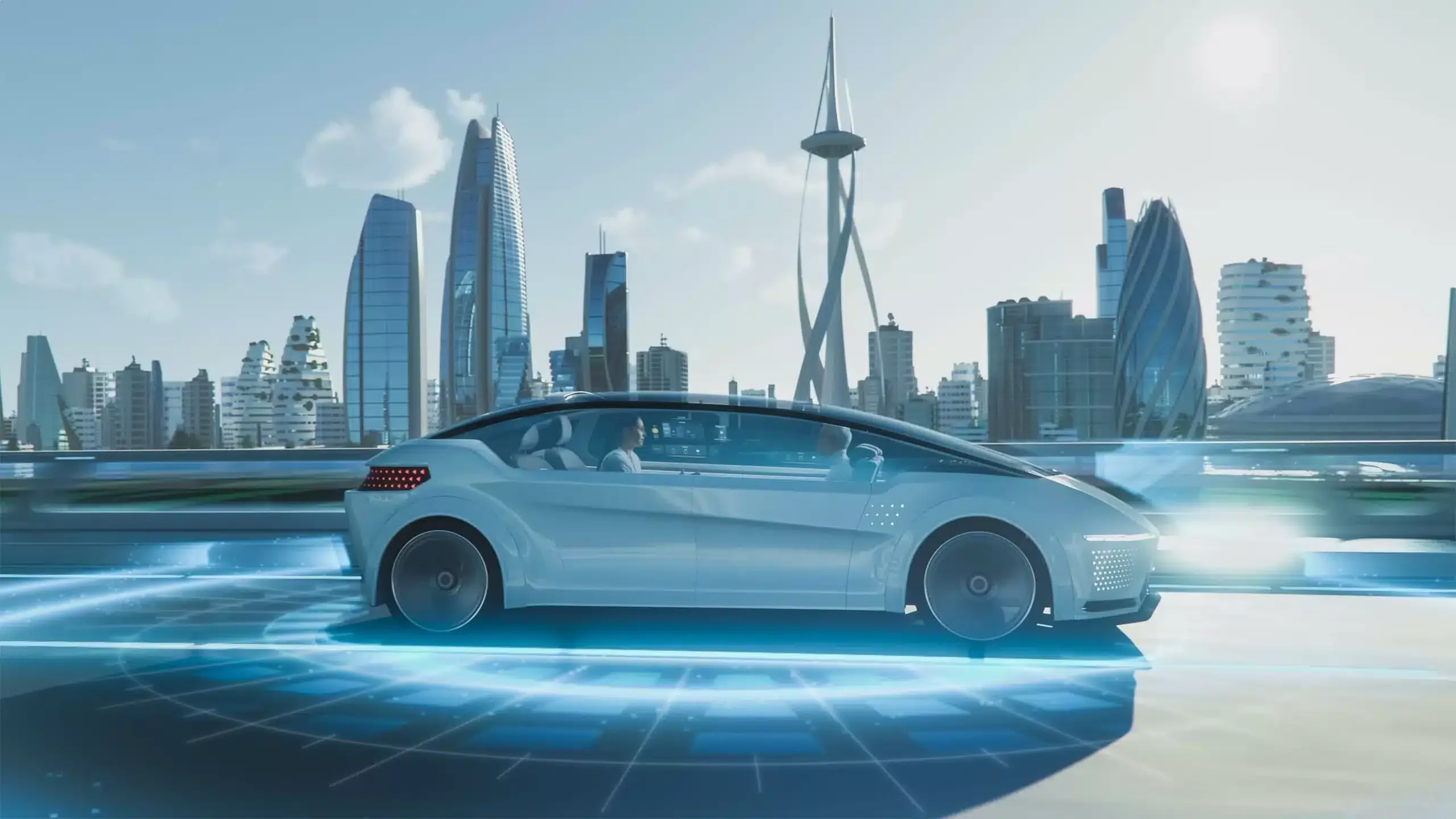
The transportation industry is undergoing a major transformation. Rapid advancements in artificial intelligence, connectivity, and data analytics are shaping the future of autonomous vehicles and smart mobility. What once seemed like science fiction is now becoming a reality, as self-driving cars, connected infrastructure, and intelligent traffic systems redefine how people and goods move across cities.
Autonomous vehicles (AVs) are not just about removing the driver from the equation. They represent a broader shift toward safer, more efficient, and sustainable mobility ecosystems. Combined with smart mobility solutions, they promise to reduce traffic congestion, lower emissions, and enhance overall urban living standards.
Understanding Autonomous Vehicles
Autonomous vehicles use sensors, cameras, radar, and advanced algorithms to navigate without human intervention. These systems rely heavily on machine learning to interpret data from their surroundings and make split-second decisions.
Modern AVs are classified into different levels of automation, ranging from driver assistance features to full self-driving capabilities. As technology matures, fully autonomous systems are expected to become mainstream, transforming both private and public transportation.
The Rise of Smart Mobility
Smart mobility goes beyond self-driving cars. It integrates various transportation modes into a connected ecosystem. This includes:
- Intelligent traffic management systems
- Electric vehicles (EVs)
- Shared mobility platforms
- Smart public transport networks
- Real-time navigation and data analytics
The goal of smart mobility is to create seamless, efficient, and environmentally friendly transportation networks that adapt to real-time demand.
Benefits of Autonomous Vehicles and Smart Mobility
1. Improved Road Safety
Human error causes the majority of traffic accidents. Autonomous systems can significantly reduce accidents by eliminating distractions, fatigue, and impaired driving. With real-time monitoring and predictive algorithms, vehicles can respond faster than human drivers.
2. Reduced Traffic Congestion
Connected vehicles communicate with each other and with traffic infrastructure. This coordination improves traffic flow, reduces bottlenecks, and minimizes idle time at intersections. Smart routing systems also optimize travel paths, saving time and fuel.
3. Environmental Sustainability
Electric autonomous fleets can dramatically cut carbon emissions. Smart mobility solutions encourage shared transportation and efficient route planning, which further reduces environmental impact.
4. Enhanced Accessibility
Autonomous vehicles provide mobility solutions for elderly individuals, people with disabilities, and those unable to drive. This technology promotes inclusivity and greater independence.
The Role of Artificial Intelligence and Data
Artificial intelligence is the backbone of autonomous systems. Vehicles process massive amounts of data from sensors and external networks to make driving decisions. Cloud computing and 5G connectivity enable real-time updates, ensuring optimal performance and safety.
Data analytics also helps cities understand traffic patterns, optimize infrastructure, and improve public transportation services. With predictive modeling, authorities can proactively manage congestion and plan smarter urban development.
Challenges Ahead
Despite the promising future, several challenges remain:
- Regulatory and legal frameworks
- Cybersecurity concerns
- Infrastructure upgrades
- Public trust and acceptance
- Ethical decision-making algorithms
Governments and industry leaders must collaborate to establish clear standards and safety guidelines. Public awareness campaigns and transparent testing processes will also play a key role in building trust.
Smart Cities and Integrated Transport Systems
The future of autonomous vehicles and smart mobility is closely linked to smart city initiatives. Urban areas are investing in connected infrastructure, including smart traffic lights, vehicle-to-infrastructure (V2I) communication, and digital mapping systems.
These innovations create an integrated ecosystem where vehicles, pedestrians, and city systems interact efficiently. Businesses and policymakers looking to explore structured development strategies can consider frameworks like the Intelligent Autonomous Mobility Evolution Blueprint to align technological growth with sustainable urban planning.
Economic Impact and Industry Transformation
The adoption of autonomous vehicles will reshape multiple industries, including logistics, insurance, manufacturing, and urban planning. Delivery services may become faster and more cost-effective. Ride-sharing companies could operate fully autonomous fleets, reducing operational expenses.
At the same time, new job roles will emerge in AI development, vehicle maintenance, cybersecurity, and smart infrastructure management. While some traditional driving roles may decline, innovation will generate new economic opportunities.
What the Future Holds
Over the next decade, we can expect gradual integration rather than sudden transformation. Hybrid models combining human drivers and autonomous systems will likely dominate initially. As technology becomes more reliable and regulations evolve, fully autonomous ecosystems will become common in major cities.
The future of autonomous vehicles and smart mobility is not just about advanced cars—it is about creating intelligent transportation networks that enhance safety, efficiency, and sustainability.
Organizations, governments, and technology providers that invest early in smart mobility strategies will gain a competitive advantage in this rapidly evolving landscape. The journey toward autonomous transportation has begun, and its impact will redefine mobility for generations to come.
