

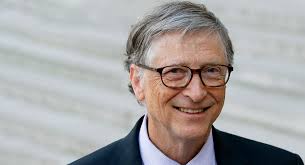
Few individuals in modern history have had as profound an impact on technology, business, and global philanthropy as Bill Gates. Known around the world as a pioneer of the personal computer revolution, Gates is not only a brilliant entrepreneur but also one of the most influential humanitarians of the 21st century. His journey—from a curious young programmer to the co-founder of Microsoft and later a global philanthropist—reflects determination, innovation, and a relentless desire to improve the world.
Early Life and Education
Bill Gates was born on October 28, 1955, in Seattle, Washington. His father, William Gates Sr., was a lawyer, and his mother, Mary Maxwell, was a businesswoman and civic leader. From an early age, Gates showed exceptional intelligence and a keen interest in reading. Mathematics and logical problem-solving quickly became his favorite subjects.
At the age of 13, Gates enrolled at the prestigious Lakeside School, where he encountered computers for the first time. This moment changed the course of his life forever. Though computers were extremely rare in the early 1970s, Lakeside School had managed to provide its students access to a computer terminal. Gates became fascinated with programming and often spent hours learning new languages and solving complex problems. It was here that he met Paul Allen, who later became his partner in creating Microsoft.
Founding of Microsoft
In 1975, Gates and Paul Allen co-founded Microsoft, driven by a shared vision: to put “a computer on every desk and in every home.” Though this idea seemed unrealistic at the time, Gates believed in the future of personal computing. His leadership, strategic thinking, and technical knowledge helped guide Microsoft through rapid growth.
Microsoft’s first major breakthrough came with the development of MS-DOS, an operating system that became the foundation of early IBM personal computers. Later, the introduction of the Windows operating system revolutionized the tech world. Windows made computers user-friendly, efficient, and accessible to millions of people. By the 1990s, Microsoft Windows had become the dominant operating system worldwide, making Bill Gates one of the most successful entrepreneurs in history.
A Global Business Icon
As Microsoft grew, so did Bill Gates’s wealth. For many years, he held the title of the richest person in the world. Yet Gates never allowed his success to limit his curiosity or passion for innovation. He continued to play an active role in shaping the future of software, the internet, and digital communication.
However, what makes Gates truly remarkable is not just the fortune he built, but how he chose to use it.
Philanthropy and the Gates Foundation
In 2000, Bill Gates and his then-wife Melinda established the Bill & Melinda Gates Foundation, which has since become one of the largest and most influential charitable organizations in the world. The foundation focuses on:
Global health
Poverty reduction
Education improvement
Combating diseases such as polio and malaria
Gates has donated tens of billions of dollars to these causes. Under his leadership, the foundation played a major role in reducing polio cases globally and improving vaccine access in developing countries, including Pakistan, India, and African nations. Gates strongly believes that wealth should be used to uplift humanity, and his actions reflect this belief.
Champion of Innovation and Future Thinking
Even after stepping down from his day-to-day role at Microsoft, Gates continued to influence global conversations on technology and innovation. He has invested in clean energy projects, climate change research, artificial intelligence, and advanced health technologies.
Gates is also a bestselling author. His books—such as “The Road Ahead”, “Business @ the Speed of Thought”, and “How to Avoid a Climate Disaster”—provide insights into the future of technology and humanity. He often encourages young people to embrace learning, curiosity, and creative problem-solving.
Leadership and Personality
Bill Gates is known for his analytical mind, disciplined work ethic, and ability to think ahead of his time. His leadership style at Microsoft combined competitiveness with long-term vision. He pushed his teams to excel and constantly innovate, resulting in products that shaped the modern computing era.
Though he faced challenges and controversies over the years, Gates responded with resilience and continued to reinvent himself—not only as a tech leader but as a global humanitarian.
Conclusion
Bill Gates’s life is a powerful example of how innovation, determination, and compassion can change the world. From revolutionizing personal computing to dedicating his wealth to global welfare, Gates has left a lasting legacy. His work continues to inspire millions of young minds who dream of shaping the future with ideas, technology, and service to humanity.

1 Comment
Pingback: 5StarsStocks.com Dividend Stocks