

Apple OLED screen upgrades are reportedly on the way, as Apple Inc. prepares to roll out major display improvements across its product lineup. According to recent analyst reports, three key Apple devices are set to benefit from these OLED enhancements in the near future
What’s changing
OLED (organic-light emitting diode) panels offer several advantages over traditional LCD or mini-LED displays: deeper blacks, higher contrast ratios, in many cases lower power consumption and thinner form factors. Apple has already adopted OLED in various product lines (for example in its iPhone and Watch), but the next wave of upgrades appears to target devices that have not yet made the full OLED transition.
Which three products will get the upgrade?
According to a report by Bloomberg’s Mark Gurman, the three products set to receive OLED upgrades are:
iPad mini – The next-generation iPad Mini is said to be the first in line for the OLED transition. Sources suggest the display change could arrive as early as next year (with the codename “J510”).
The upgrade is reportedly being used by Apple as a way to entice buyers and encourage upgrades—given that the iPad mini has been one of Apple’s smaller-screen tablets and hasn’t seen as frequent major refreshes. The rumor also mentions that the price might rise by around USD 100 due to the display upgrade.
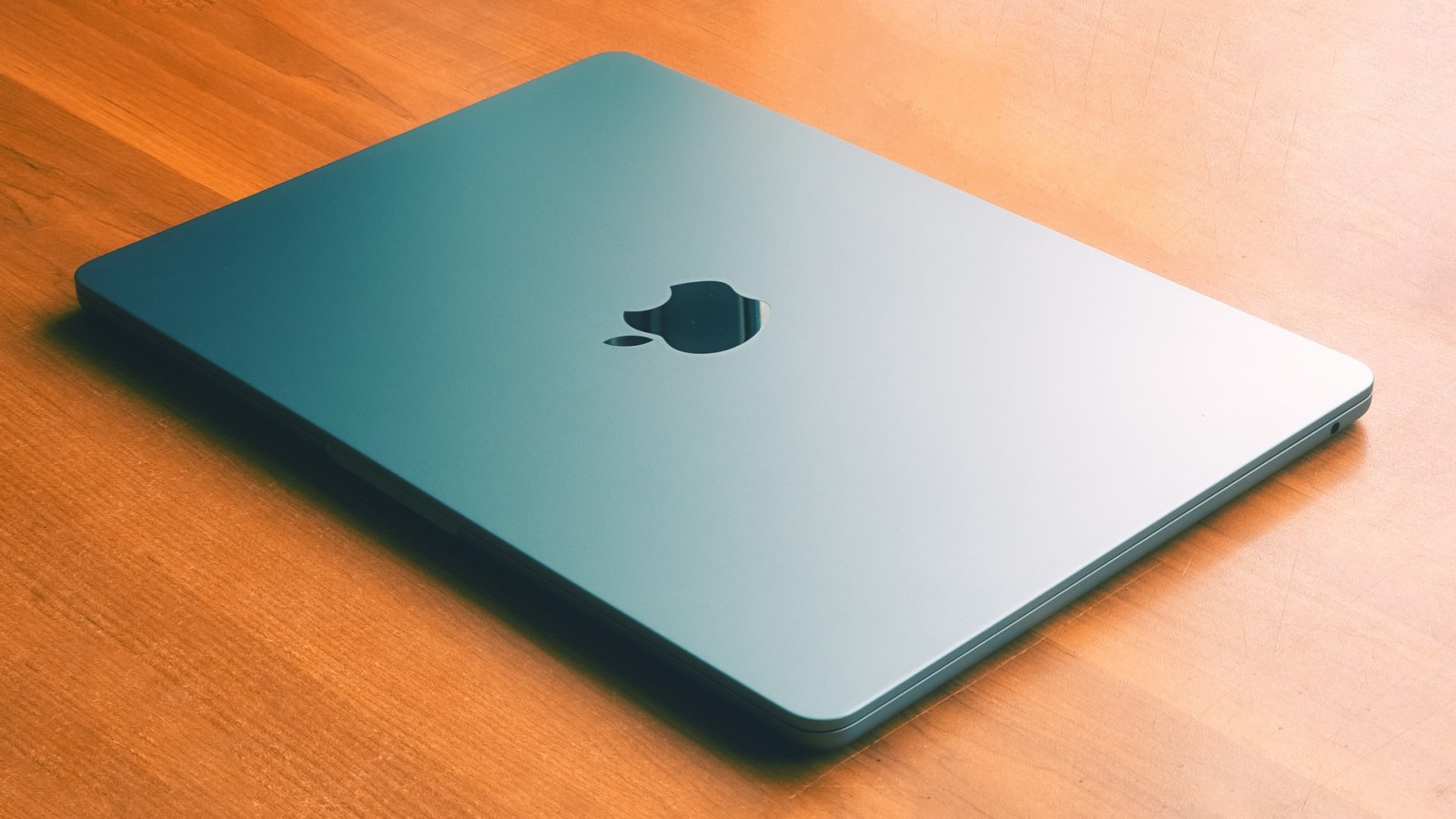
MacBook Pro – Apple’s higher-end laptop line is also reportedly on the OLED upgrade path. The current models still use Liquid Retina XDR or mini-LED based displays. Analysts expect the MacBook Pro to transition to OLED in the 2026–2027 timeframe. For example, DSCC’s Ross Young has suggested that Apple’s suppliers will need time to scale large-format OLED production for laptops. iPad Air – The iPad Air is reportedly the last of the major iPad models to make the leap. While a timeline is less concrete, the expectation is that it will follow the iPad mini in receiving an OLED display.
Why now?
Several factors are driving this transition:
Maturing OLED supply chain: Larger OLED panels (for tablets and laptops) are more complex and costlier to manufacture than smaller smartphone panels. Apple’s suppliers appear to be ramping up capacity and readiness.
Differentiation & upgrade incentive: As devices mature, offering OLED provides a meaningful screen-based improvement (better contrast, possibly thinner and lighter devices) which helps justify refreshes. The iPad mini example above illustrates this.
What might users see?
When these models upgrade to OLED, possible tangible benefits include:
Deeper black levels and higher contrast ratio (since OLED pixels emit light individually rather than relying on a backlight)
Potentially thinner overall device or reduced display module thickness
Improved power efficiency under certain conditions (especially in always-on or low-refresh-rate scenarios)
Possibly better color fidelity and viewing angles
Timeline & caveats
It’s important to consider that “soon” in Apple-terms may still mean years, especially for larger devices like laptops. For instance, while the iPad mini upgrade might arrive relatively soon, the MacBook Pro’s OLED transition is widely reported to happen around 2026 or 2027. Tech Times+1 Also:
Apple may adopt different OLED technologies depending on device (e.g., single-stack vs tandem OLED) with implications for performance and cost.
Upgrades may come with higher cost: the iPad mini’s rumored USD 100 price bump hints at that.
What this means for buyers
If you’re considering upgrading one of these devices, here are some practical thoughts:
If you’re eyeing an iPad mini and can wait, it may be worth holding out for the OLED version. The display upgrade could be a meaningful improvement.
For MacBook Pro buyers: If you need one now, go ahead—but if your needs are flexible and you can wait toward the 2026 timeframe, the OLED version might deliver noticeable benefits.
Finally: remember that display is only one part of the spec sheet. Chip, build, ecosystem and other features also matter heavily in Apple’s devices.
Conclusion
In short: Apple appears poised to expand its use of OLED panels across more of its product range—and three devices in particular (iPad mini, MacBook Pro, iPad Air) are flagged in recent analyst reports as being next in line. While timelines vary and there’s no guarantee of exact dates or specs yet, the move reinforces the growing importance of premium display technology in consumer devices. If you’re in the market for one of these devices, the OLED factor may be something to keep on your radar.

1 Comment
Pingback: Top Cyber Security Solutions in the UK