

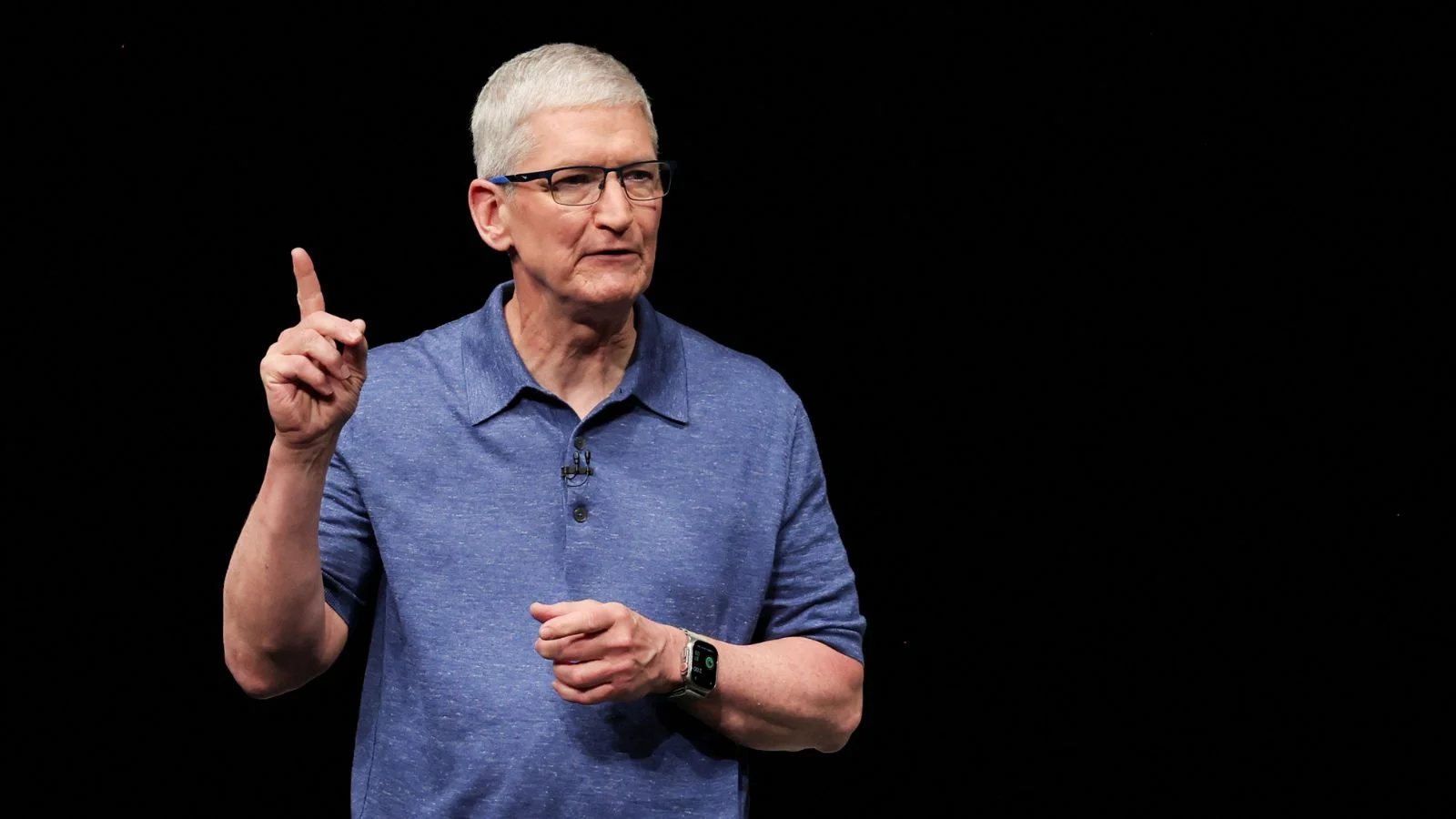
Apple has faced increasing scrutiny over its recent AI initiatives, prompting discussions among experts and analysts about whether Tim Cook should continue as CEO. While Cook has guided Apple through years of growth and innovation, some critics argue that the company’s AI performance has lagged behind competitors in recent months.
The debate focuses on Apple’s ability to compete in artificial intelligence, machine learning, and emerging technology markets, which are crucial for the company’s long-term strategy.
Tim Cook’s Leadership Legacy
Since becoming CEO in 2011, Tim Cook has successfully led Apple through massive expansion, introducing new products, scaling global operations, and maintaining strong profitability. Cook’s focus on supply chain efficiency and premium hardware has made Apple one of the most valuable companies in the world.
However, some industry observers note that Apple has been slower to embrace AI compared to peers. Critics argue that the company has lagged in voice assistants, AI-driven software, and generative AI applications.
AI Setbacks That Spark Debate
Recent AI initiatives, including enhancements to Siri and other Apple services, have reportedly faced delays and underperformance. Competitors like OpenAI, Microsoft, and Google have advanced rapidly in generative AI, leaving Apple behind in some key areas.
Experts suggest that Apple’s cautious approach, prioritizing privacy and security, may contribute to slower AI adoption. Nevertheless, investors and analysts are increasingly questioning whether new leadership could accelerate AI innovation.
Expert Opinions on Leadership Change
Industry analysts are divided on whether replacing Tim Cook would benefit Apple. Some argue that a new CEO with a stronger AI and software background could drive faster innovation and help Apple remain competitive in emerging markets.
Others believe that Cook’s experience, operational expertise, and steady leadership are crucial for sustaining Apple’s long-term success. According to a recent corporate tech leadership analysis, executive changes often bring short-term excitement but do not guarantee improved innovation outcomes.
The Role of Innovation Culture
Apple’s innovation culture is deeply tied to its leadership style. Tim Cook has emphasized incremental improvements, quality control, and ecosystem integration. Replacing a CEO could disrupt this culture and potentially affect product consistency and employee morale.
Maintaining a balance between operational efficiency and cutting-edge innovation is a challenge. Some experts suggest creating specialized AI leadership roles or internal innovation teams as alternatives to a full CEO change.
Market Implications of a CEO Change
A leadership shift at Apple could have major market consequences. Investors may respond positively to a fresh vision focused on AI, but sudden executive turnover could create uncertainty and impact stock performance. Analysts often explore these dynamics in global tech executive succession studies, highlighting how leadership transitions influence innovation, market perception, and operational stability.
Alternatives to Replacing Tim Cook
Instead of a CEO replacement, Apple could bolster AI leadership through dedicated teams or strategic hires. Recruiting top AI experts, expanding research partnerships, and investing in AI infrastructure are ways to accelerate progress without altering executive leadership.
Such approaches allow Apple to retain Cook’s operational strengths while addressing AI gaps more directly, reducing the risk of market disruption or internal instability.
Public and Employee Perspectives
Public perception and employee confidence play an important role in executive discussions. Apple’s employees value clear direction, operational consistency, and the brand’s strong product focus. Any sudden leadership change could cause uncertainty internally, affecting morale and productivity.
For consumers, the company’s public image is tied to innovation and reliability. Maintaining leadership continuity while strengthening AI initiatives could strike a balance between stability and progress.
Final Thought
The question of whether Apple should replace Tim Cook as CEO amid AI setbacks reflects broader challenges facing technology companies today. While leadership changes can signal a shift toward innovation, they also carry risks for operational stability and corporate culture.
Experts suggest that Apple can achieve AI leadership without replacing Cook by investing in specialized teams, strategic hires, and partnerships. For investors, employees, and customers, the focus should remain on innovation, long-term growth, and maintaining the quality and reliability that define the Apple brand.
